Having lived across 3 European countries, from England to Ireland to France (my current home), and almost a decade into country-hopping solo around the Old Continent, with 40+ countries visited, I think I’ve reached the point I can look back in hindsight and reassess my priorities.
What’s the main reason for Americans flocking over to Europe?
It’s not the snow-capped peaks of the Alps, the turquoise shores of the Mediterranean, or the food: it’s the history of it all.
I may have lost sight of that wide-eyed wonder of a first-time visitor, but very few things can compare to the exhilarating feeling of laying eyes on an actual castle for the first time, not the fiberglass replicas you see in theme parks Stateside; walking cobbled streets not made for cars; and feeling like you’ve suddenly stepped into a real-life storybook.
To be fair, after dozens upon dozens of those, it’s only natural I would start going numb to it and taking it for granted, especially after being worn down by the maddening crowds, and irritated by the surging prices.
These 5 underrated medieval gems reminded me of what it is that I love about Europe so much: they come with intact town walls, proper dinner outings that won’t set you back by over $15, and most importantly, way smaller, if not zero crowds.
Bautzen, Germany
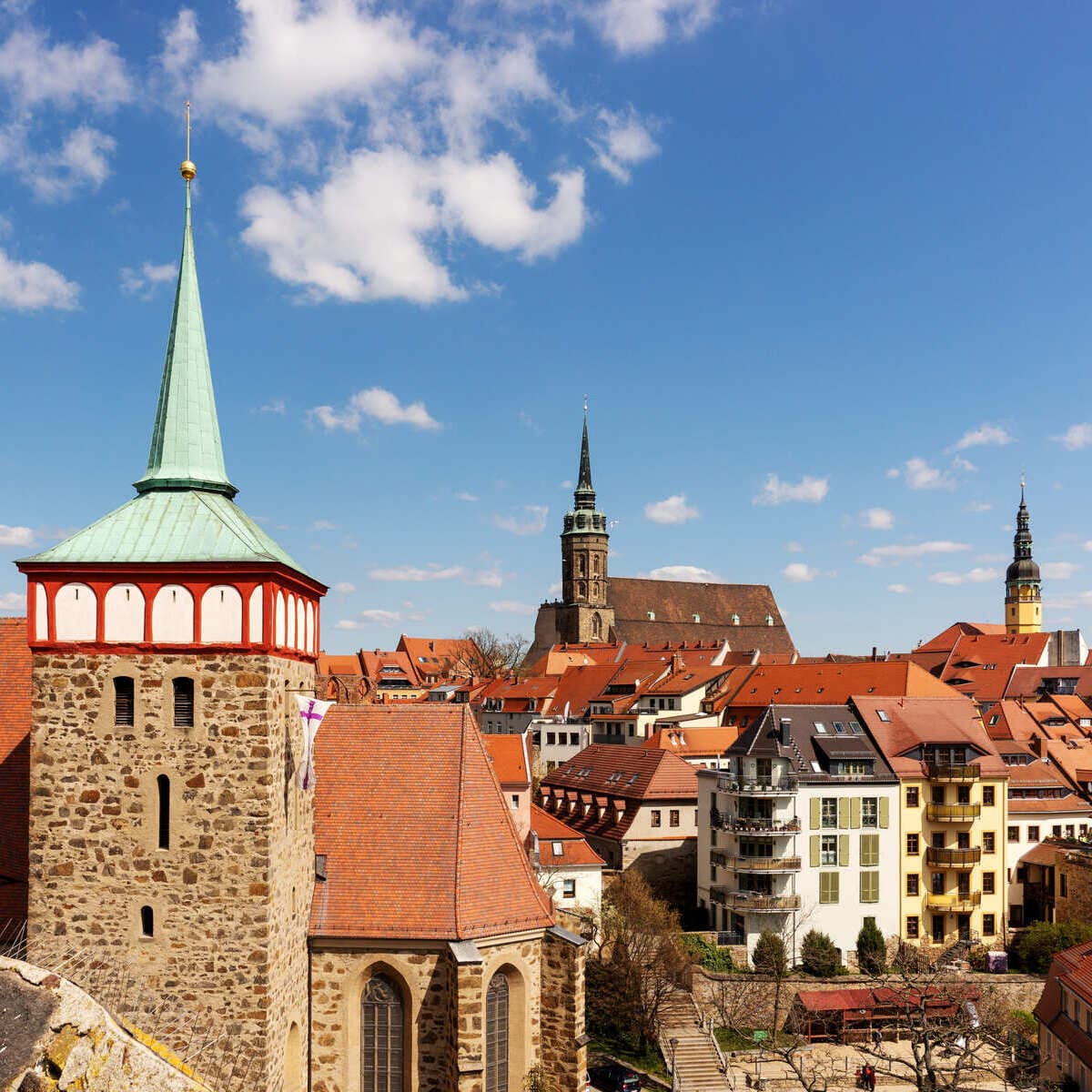
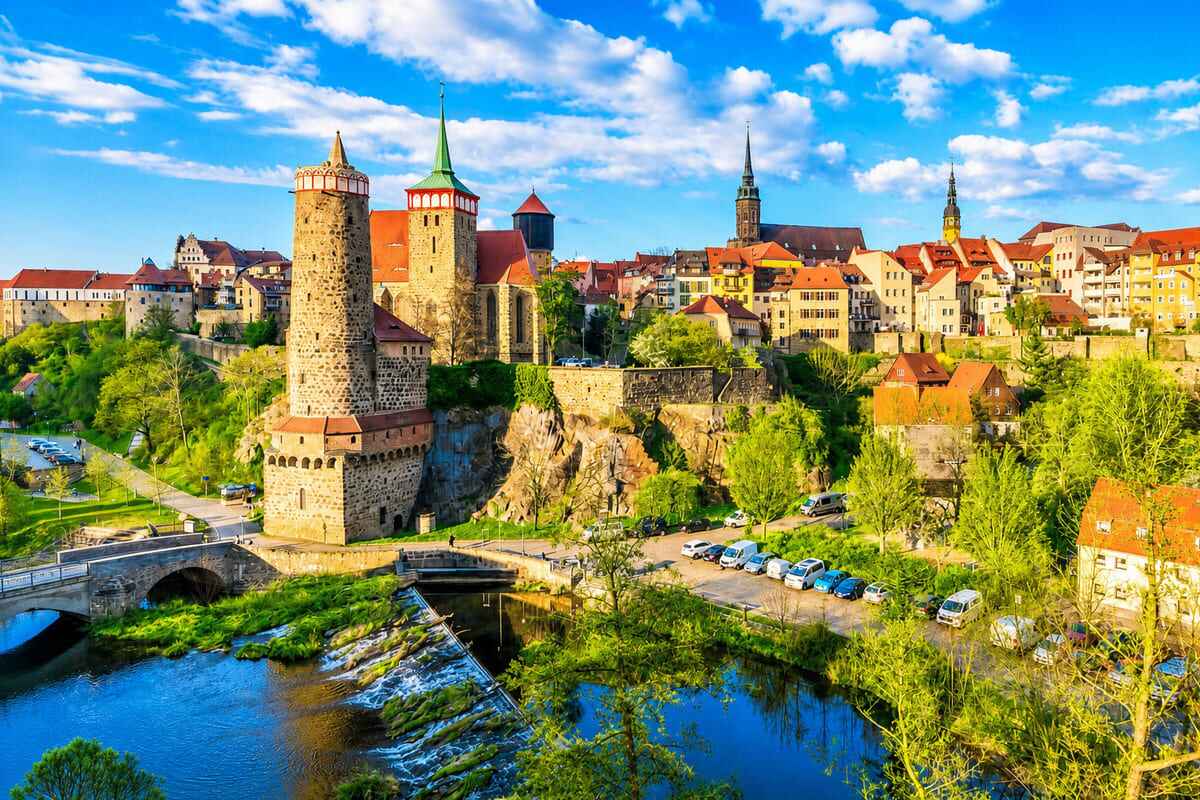
Tucked away in the southeastern corner of Germany, a region very few Americans dare venture into, Bautzen is a picture-perfect medieval settlement lining the steep banks of the Spree River, dominated by imposing towers and best known for its remarkably intact Altstadt.
That’s German for ‘Old Town’, by the way.
One thing you’ll soon learn travelling around Germany is that many of the timber-framed, cobbled old centres you see are post-WWII reconstructions. Sadly, much of the country was ravaged by the conflict, with entire cities burned down.
Bautzen is one of those rare exceptions that escaped widespread aerial destruction. It did suffer damage during fierce ground fighting in 1945, but much of its historic core survived.
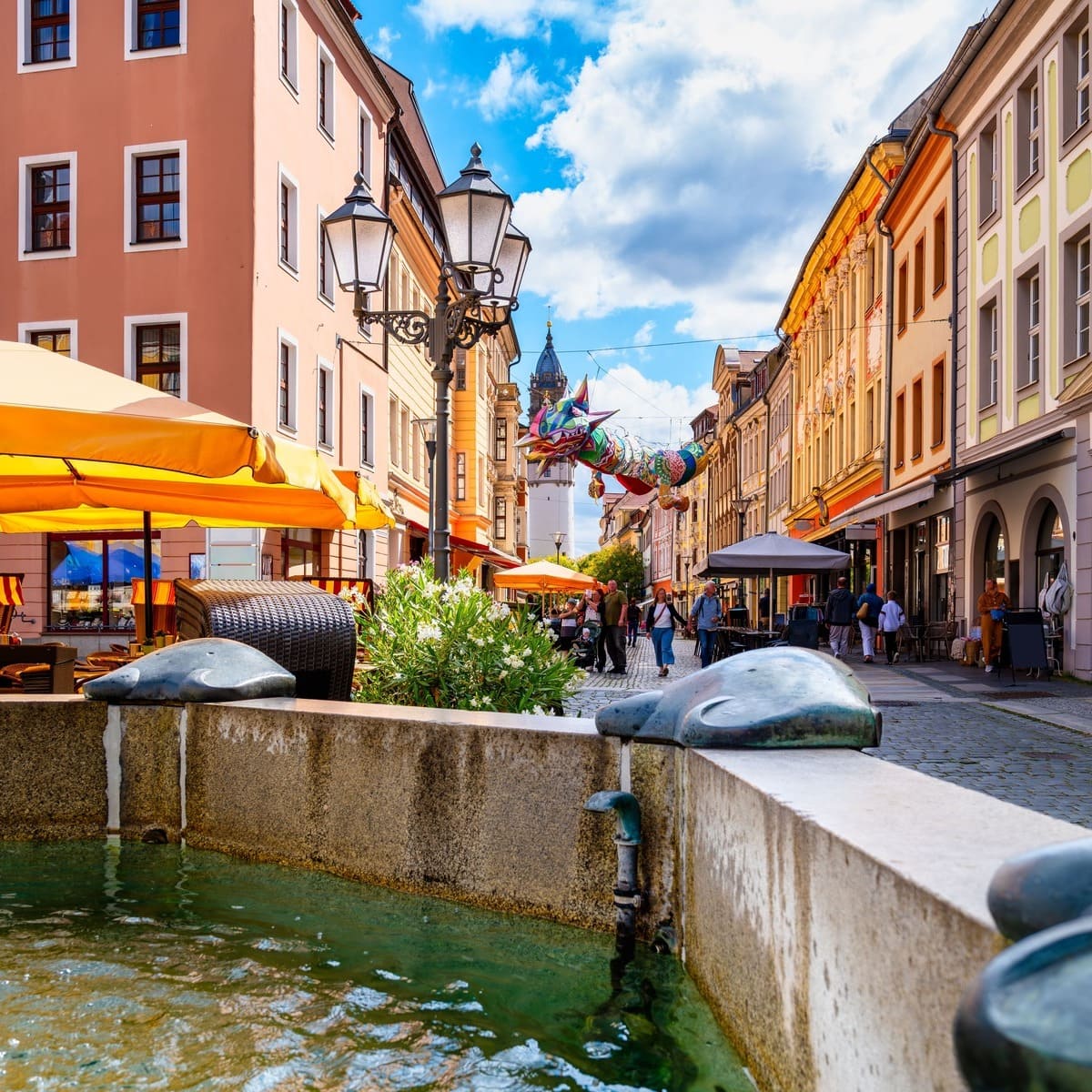
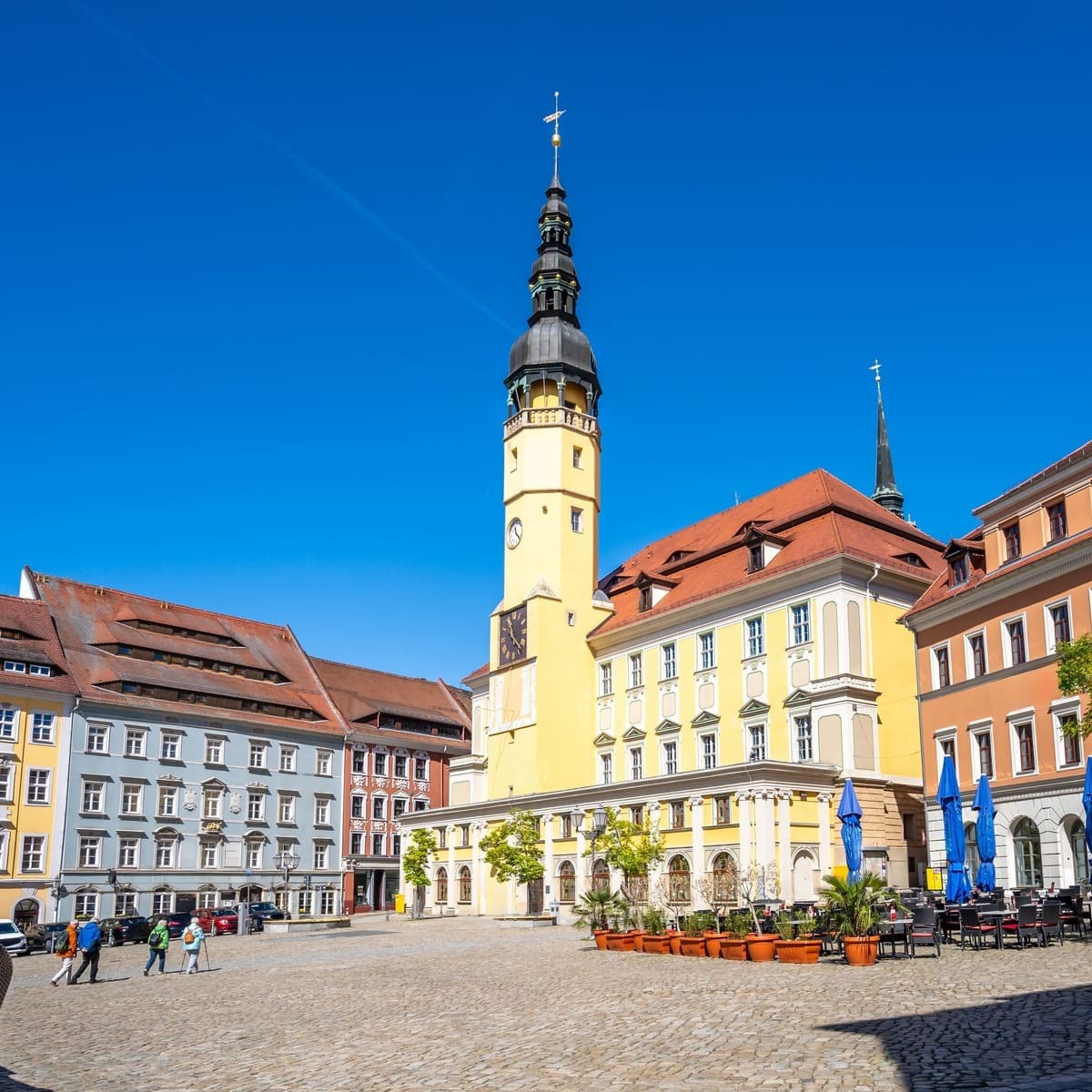
The beautiful façades of the pastel-hued townhouses are the real deal, as are many of the medieval churches and defensive towers, and when you’re looking out from the remnants of the town walls, it’s roughly the same panorama a medieval watchman would have had.
The shocker? Although it lies a mere 40 miles east of Dresden, a major German cultural hub, it gets a tiny fraction of the visitors.
Come here for Budissiner Senffleisch—roast pork smothered in creamy Bautz’ner mustard sauce with onions and Spreewald gherkins—the $120 boutique stays, and that storybook riverfront.
Average Prices In Bautzen, Germany
- Bakery snack, such as a pretzel or filled roll: $3–7
- Bautz’ner Senfschnitzel: around $17
- Local main dish: $16–21
- Three-course meal in a mid-range restaurant: $35–55 per person, excluding drinks
- Cappuccino: $3.50–6
- Local draught beer: $4–7
- One-way local bus ticket: around $2.30
- Simple guesthouse or hotel: $90–125 per night for two
- 3-star hotel: $110–150 per night
Banská Štiavnica, Slovakia
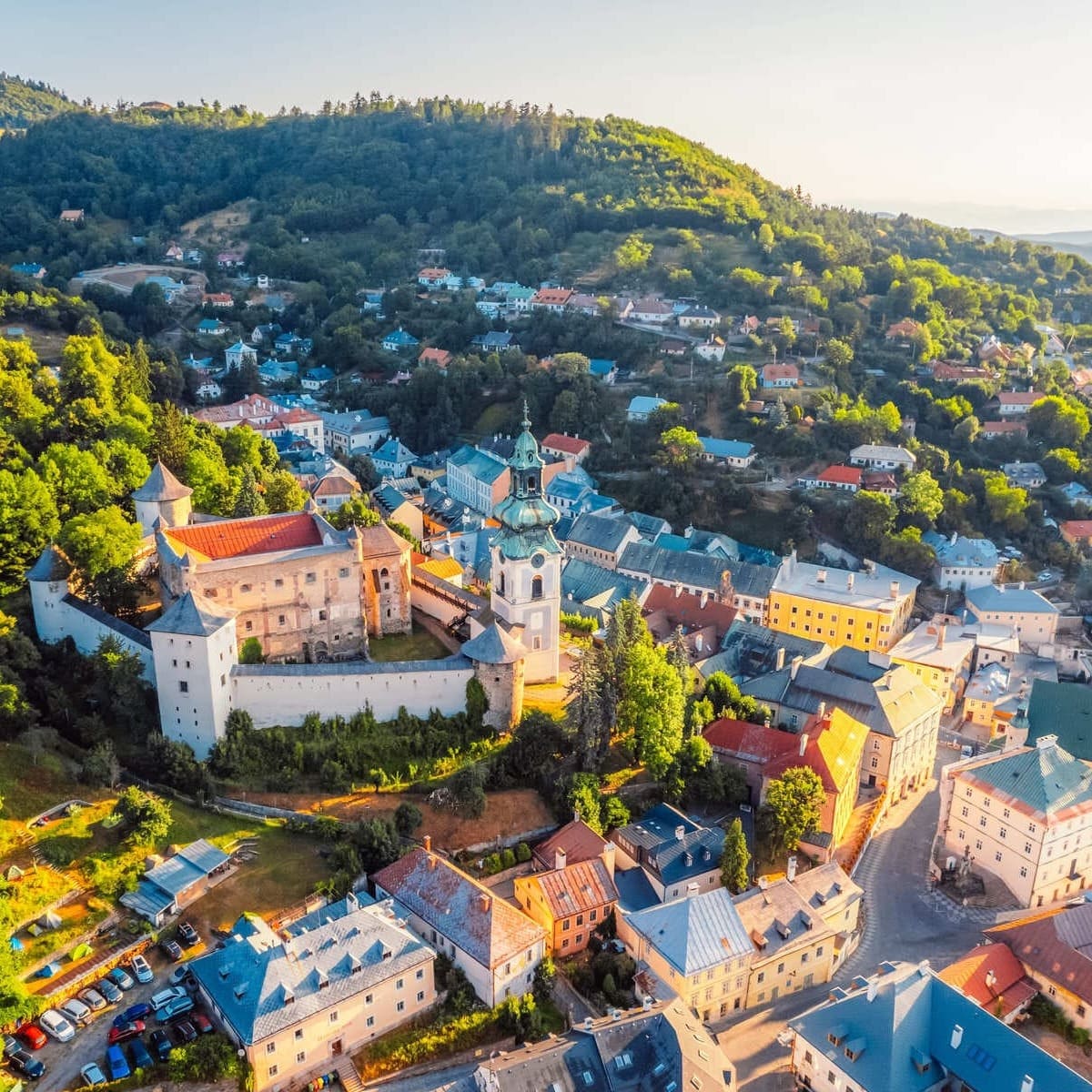
Some of the best European getaways are the ones you can’t even pronounce, and Banská Štiavnica is the textbook example:
Tucked away in the very center of Slovakia, this former mining town sits in the middle of a huge caldera, formed by the collapse of an ancient volcano, but if you’re thinking all you’re going to find here is rubble and a former miner’s cottage, you’re in for a big surprise.
Though it’s definitely not a major urban center—it’s home to roughly 10,000 residents—this laid-back spot in rural Slovakia has an insane amount of historic landmarks and architectural treasures.
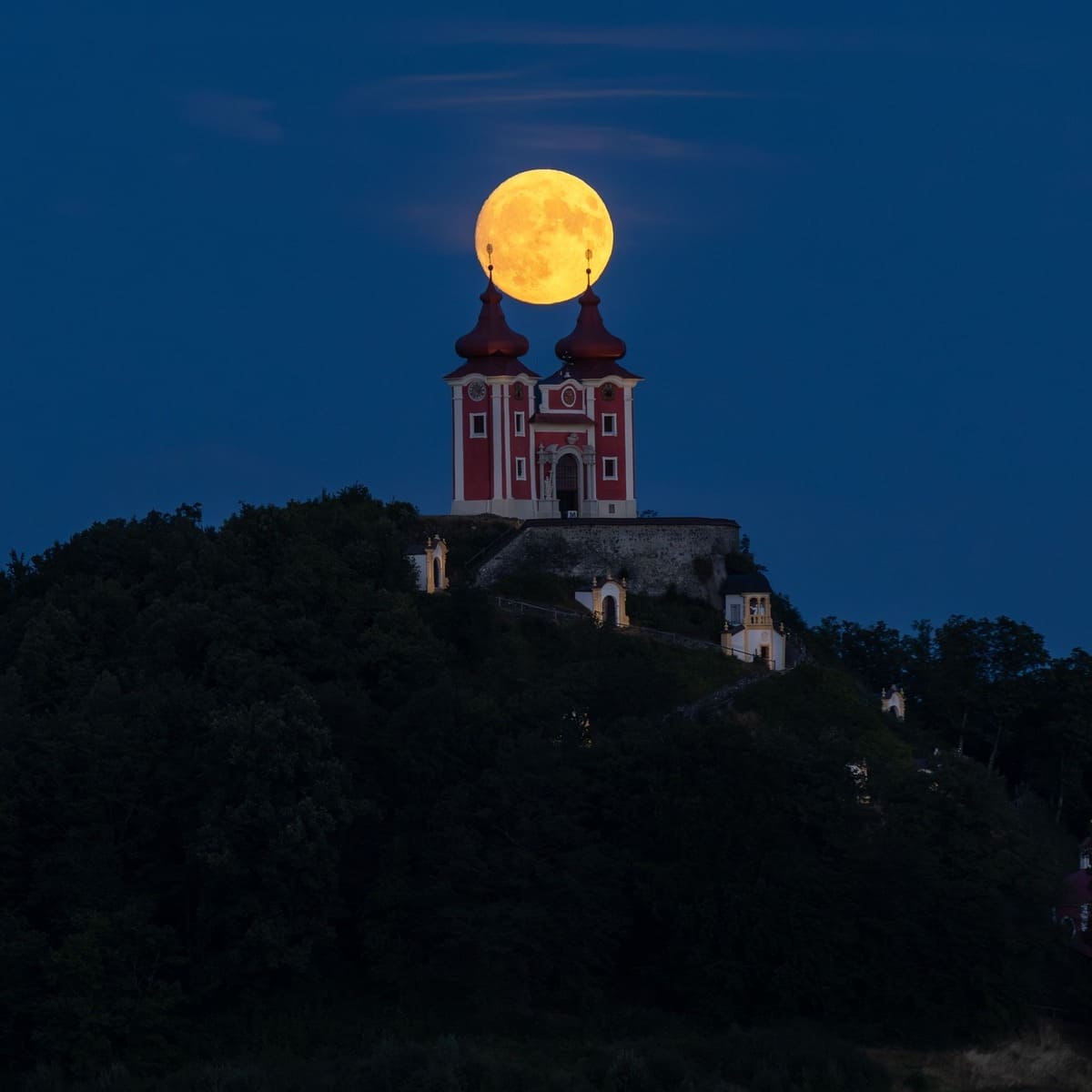
From Baroque churches decked out with ornate altars, to handsome Renaissance palaces, and not one, but two castles, this was one of my favorite finds travelling across one of Central Europe’s lesser-explored countries.
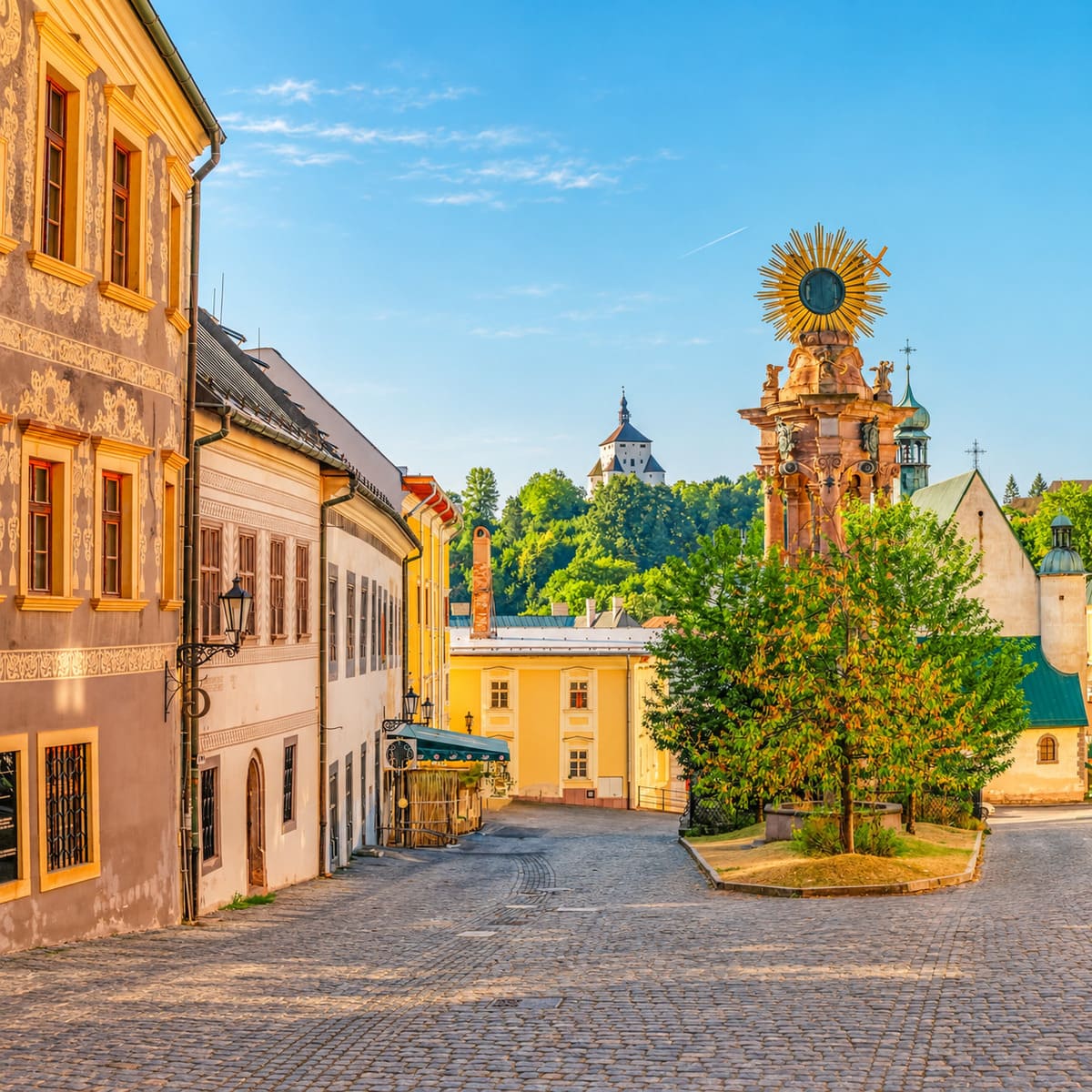
The ‘Old Castle’ here is particularly unusual:
It was originally a medieval church, then converted into a fortress in the 1500s to protect the town against Turkish attacks, whereas the more compact, Renaissance-era New Castle is a white beaut of a watchtower sitting on an opposite hill, complete with four corner bastions and sweeping views.
For a historic town inscribed on UNESCO’s World Heritage List and with cafés serving some next-level homemade strudel, I’m actually quite baffled it isn’t on more travelers’ radars.
Average Prices In Banská Štiavnica, Slovakia
- Set lunch with soup and a main: $8–11
- Venison goulash with mashed potatoes: around $17
- Local main dish: $13–18
- Cappuccino: around $4
- Local draft beer: $2.65–3.45
- Simple hotel room: $75–95 per night for two
- 3-star hotel: $95–110 per night for two
Check Travel Rules For U.S. Passport Holders Before Flying
Before we continue, if you’re heading to Europe this season, make sure you check the entry requirements and travel rules that apply to you as a U.S. passport holder.
From mandatory fingerprinting to reinforced border checks, there’s a lot you need to catch up with if you haven’t been across the pond in a while.
Head over to the Entry Requirement Checker, type in your destination’s name, and pull up the complete checklist of documents and border formalities.
Gangi, Sicily
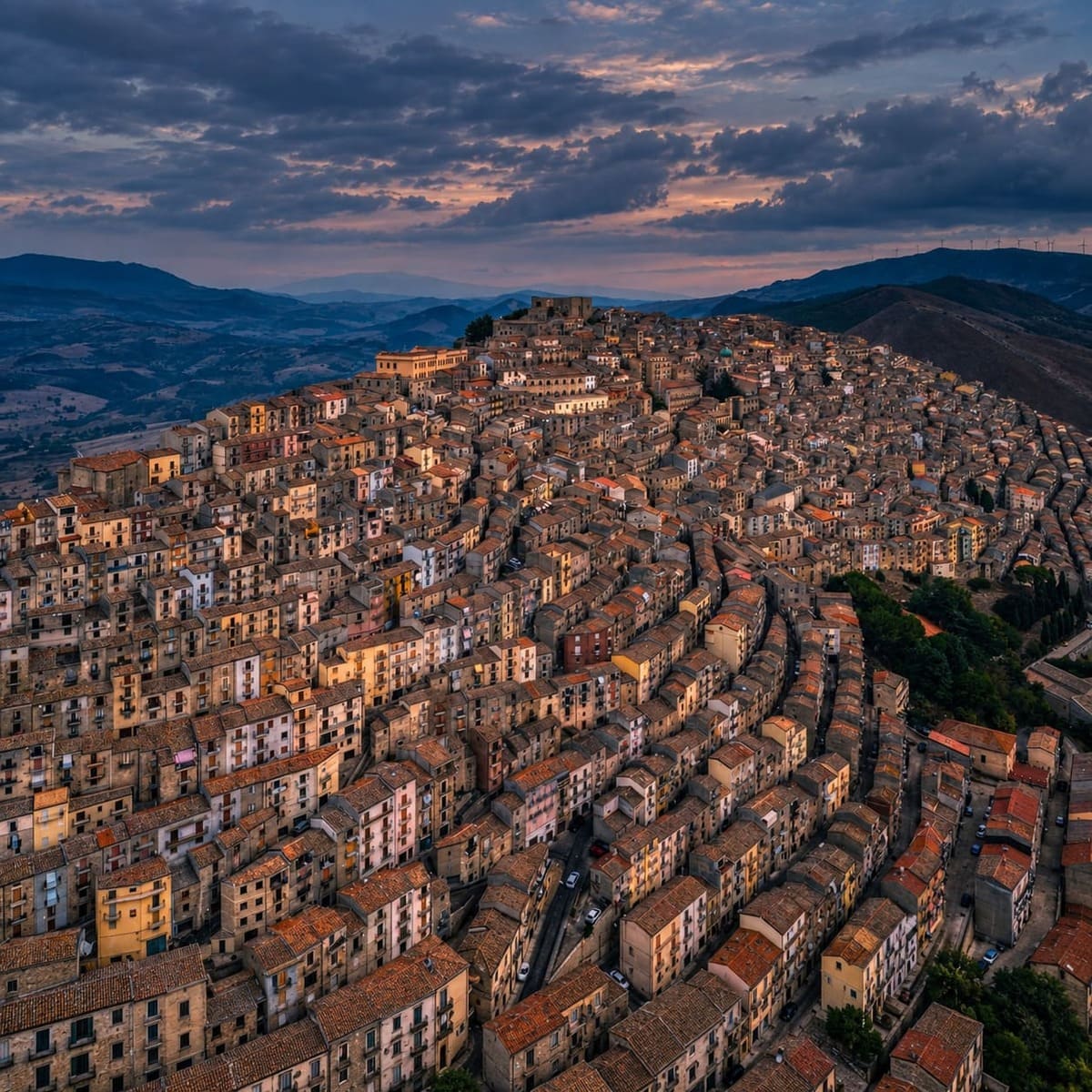
I’ve been to Sicily three times so far, and while the touristy spots of Taormina, Syracuse, and Cefalù are well worth a short stop, Gangi is where I can see myself returning for a longer stay.
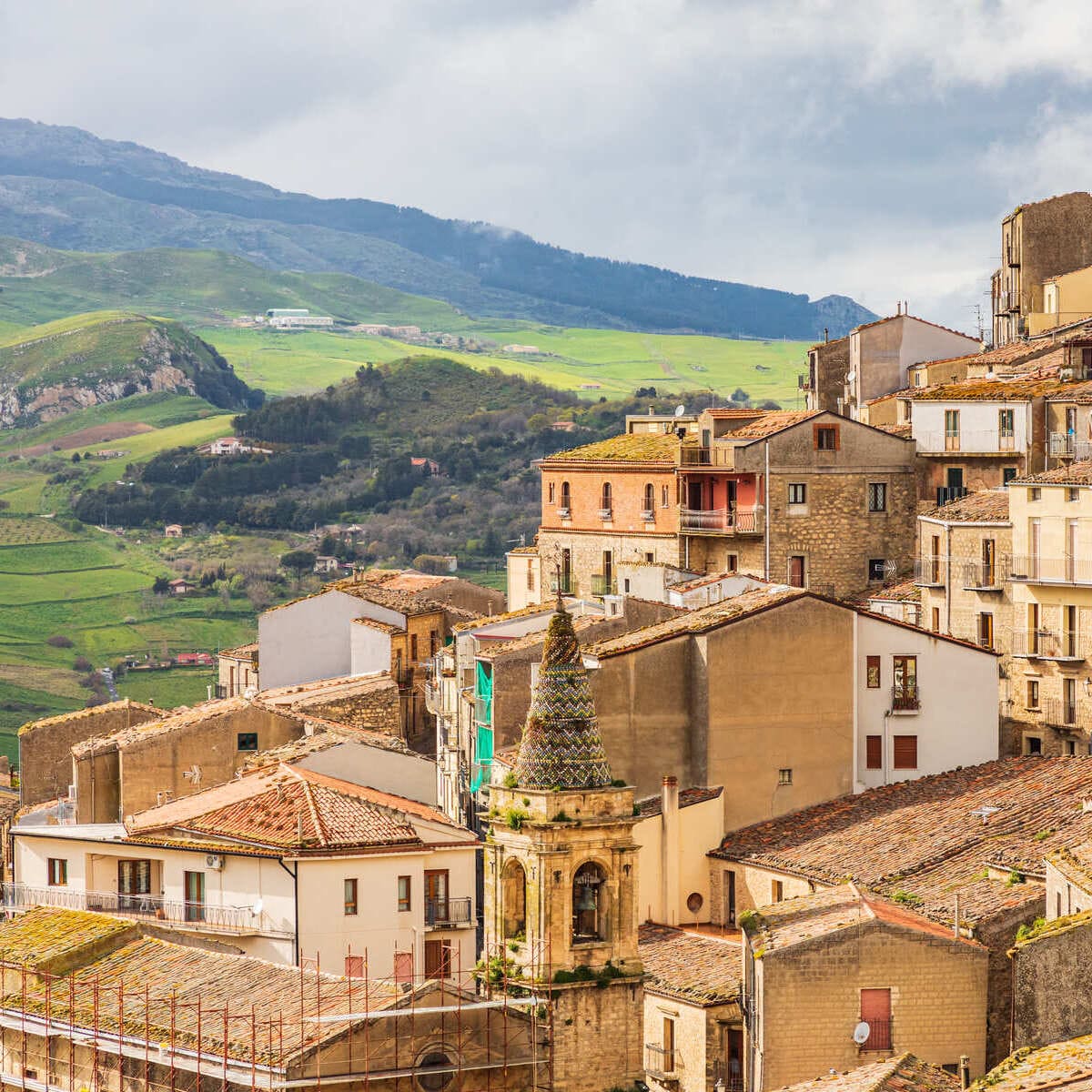
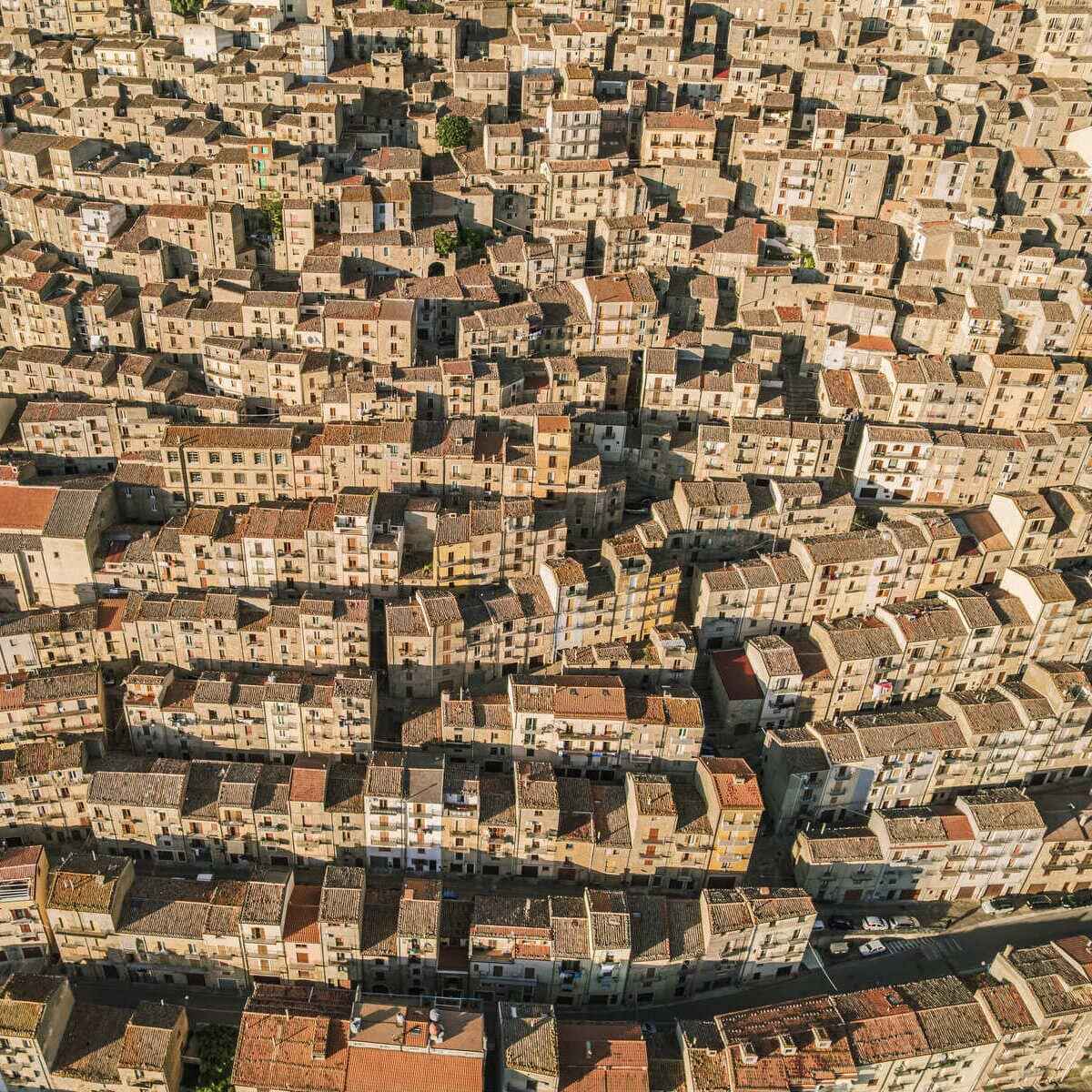
Not only because it’s a huge, complex maze of uphill, stone-paved lanes lined with time-darkened, honey-stone medieval townhouses that look crazy dramatic when seen from a drone, but also because it’s still a living, breathing local Sicilian secret the White Lotus crowd hasn’t yet got their claws on.
The stone-hewn streetscape is truly the entire reason for coming, rather than any individual landmark.
That said, I’d make a beeline first for the 14th-century Torre dei Ventimiglia, a… nah, why lie? My first stop is actually Sant’Anna, a rustic local trattoria tucked away in the historic centre. Their fresh pasta alla pastorella is, quite frankly, heaven in a bowl.
Note From The Editor
Just one sec! If you enjoy reading great human-written articles, the best way to see a few more is to follow us on Google so we become one of your preferred websites. Thank you so much for reading. Now back to the story!
As the Italians would say, ‘okeeei’, back to the landmarks: that aforementioned tower has an elegant sequence of Gothic-Catalan twin-arched windows and a sturdy square profile, and it’s the former watchtower-turned-belfry of the adjacent Chiesa Madre, or Gangi’s ‘Mother Church’.
Inside this church, you’ll find a masterpiece by Giuseppe Salerno: the enormous Last Judgement, which borrows heavily from Michelangelo’s Sistine Chapel composition.
Palazzo Bongiorno is also a must-see: it may have a restrained exterior, not at all as ostentatious and palatial as your average Italian noble residence, but the 18th-century rooms inside are lavish, richly decorated with illusionistic frescoes.
That, coupled with the insane gastronomy and near-absence of tourists, is what creates the magic.
Average Prices In Gangi, Italy
- Takeaway snack, such as an arancina, baked calzone, or slice of pizza: $2.50–5
- Pasta alla pastorella or with wild-boar ragù: $15–18
- Local meat main, such as pork knuckle or goat with potatoes: $15–24
- Three-course meal in a mid-range trattoria: $30–35 per person, excluding drinks
- Cappuccino: $2–3.50
- Local draught beer: $3.50–6
- Simple guesthouse or B&B: $55–105 per night for two
- 3-star or boutique stay: $105–150 per night
Sighișoara, Romania


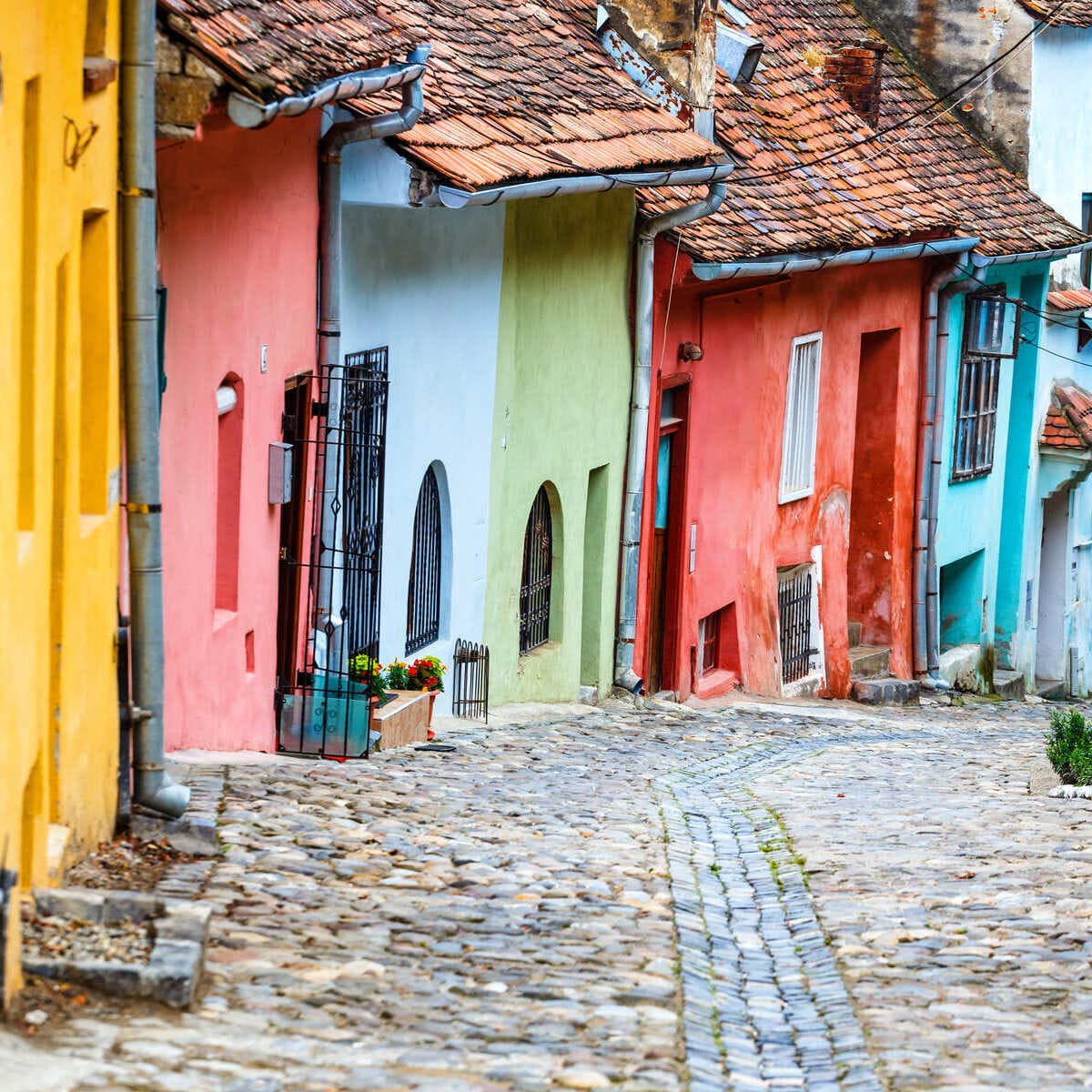
Horror movies are my go-to Friday-night cinema fix, and I won’t sit here and pretend I didn’t make a beeline for Romania the minute I learned you can actually visit Dracula’s fabled homeland—and that it looks like a haunting, medieval fever dream straight out of Bram Stoker’s beautifully twisted brain.
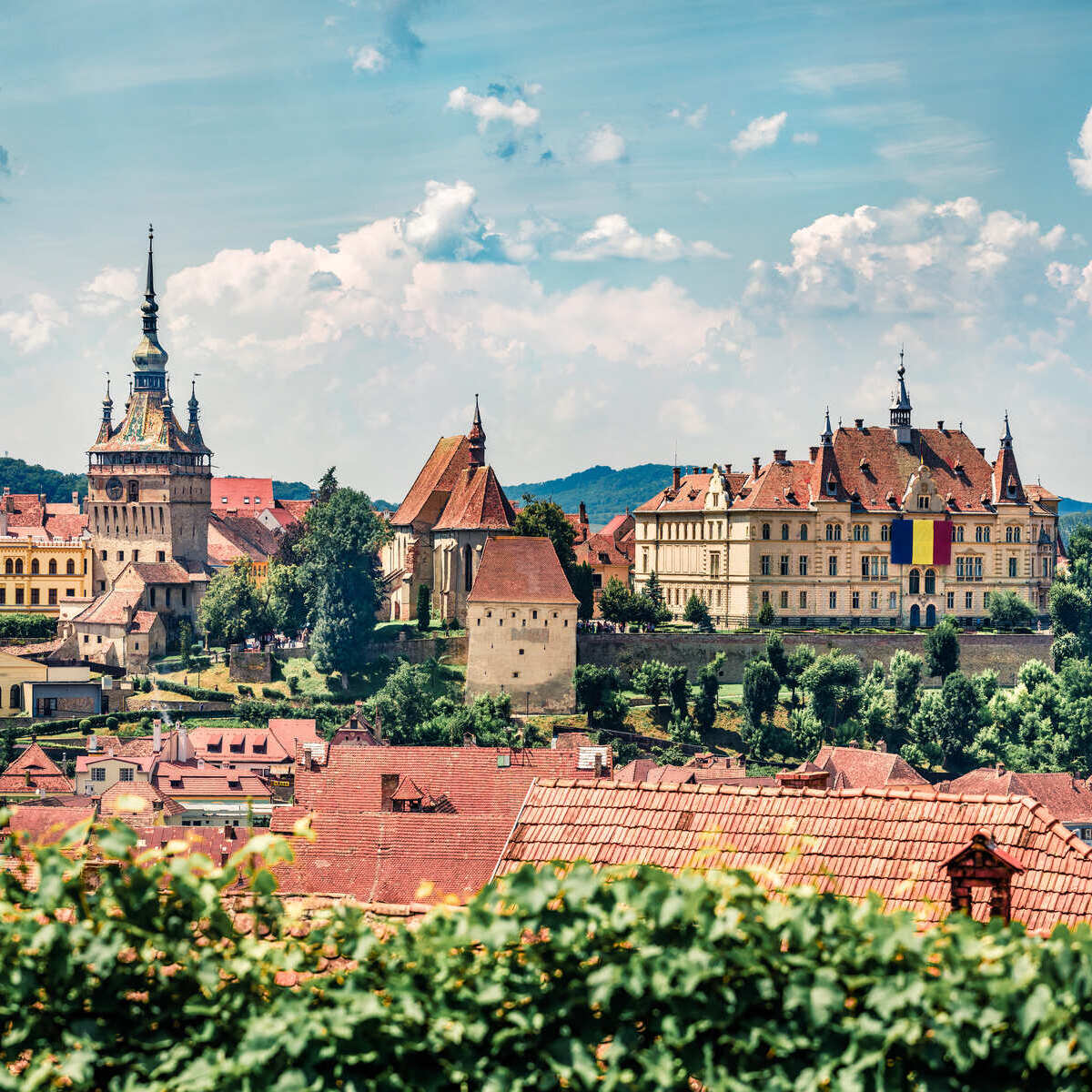
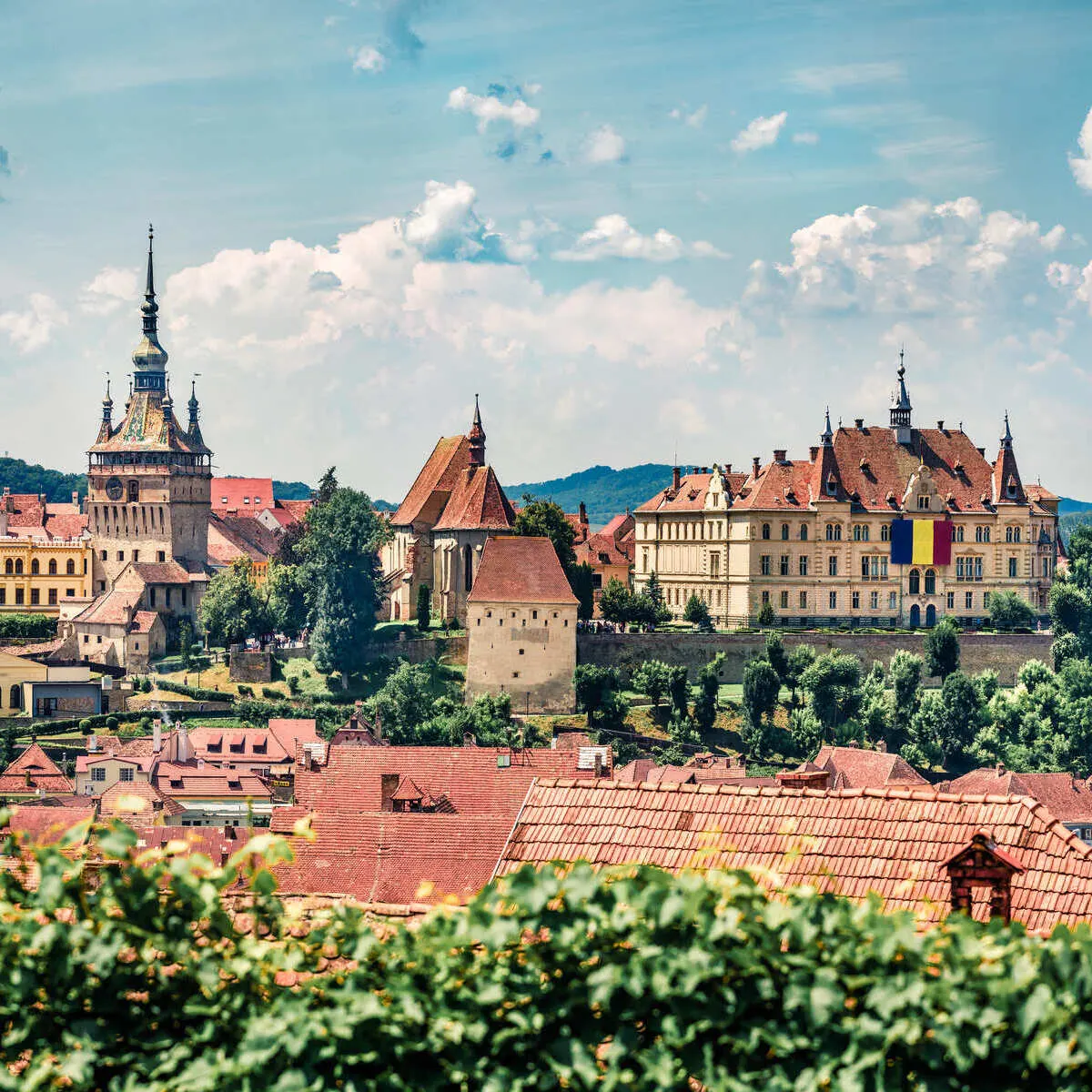
Sighișoara has a wonderfully wonky-looking Clock Tower dominating a tightly packed townscape of red-gabled roofs, tiny little askew houses that almost seem to tumble onto broken cobblestones, and brooding Gothic churches enveloped in medieval mist and vampiric lore.
Oh, and Strada Cositorarilor 5 is the address you’re looking for if you ever want to tell your friends you’ve visited Dracula’s supposed birthplace.
Just bear in mind the historic figure behind Dracula, monsieur Vlad Țepeș, leaned more towards your average bloodthirsty medieval ruler than a full-fledged, cape-wearing vampire who preyed on maidens at night.
The other thing you might not know about this side of Transylvania is that it has a sizeable Hungarian minority, and I was lucky enough to visit during a bone-chilling cold snap in March, when the local March 15 celebrations were in full swing.
Streetside stalls were turning out kürtőskalács—those fit-in-every-sweet-treat-you-can Hungarian chimney cakes—and sour cream-filled lángos. I gotta say, Romania’s so criminally underrated for food??
Average Prices In Sighișoara, Romania
- Takeaway snack, such as a covrig or plăcintă: $2–5
- Bowl of ciorbă de burtă: $5–10
- Local main, such as sarmale with mămăligă or pork stew: $9–18
- Three-course meal in a mid-range restaurant: $25–45 per person, excluding drinks
- Cappuccino: $2.50–4
- Local draught beer: $2.50–5
- Simple guesthouse or B&B: $60–130 per night
Fethard, Ireland
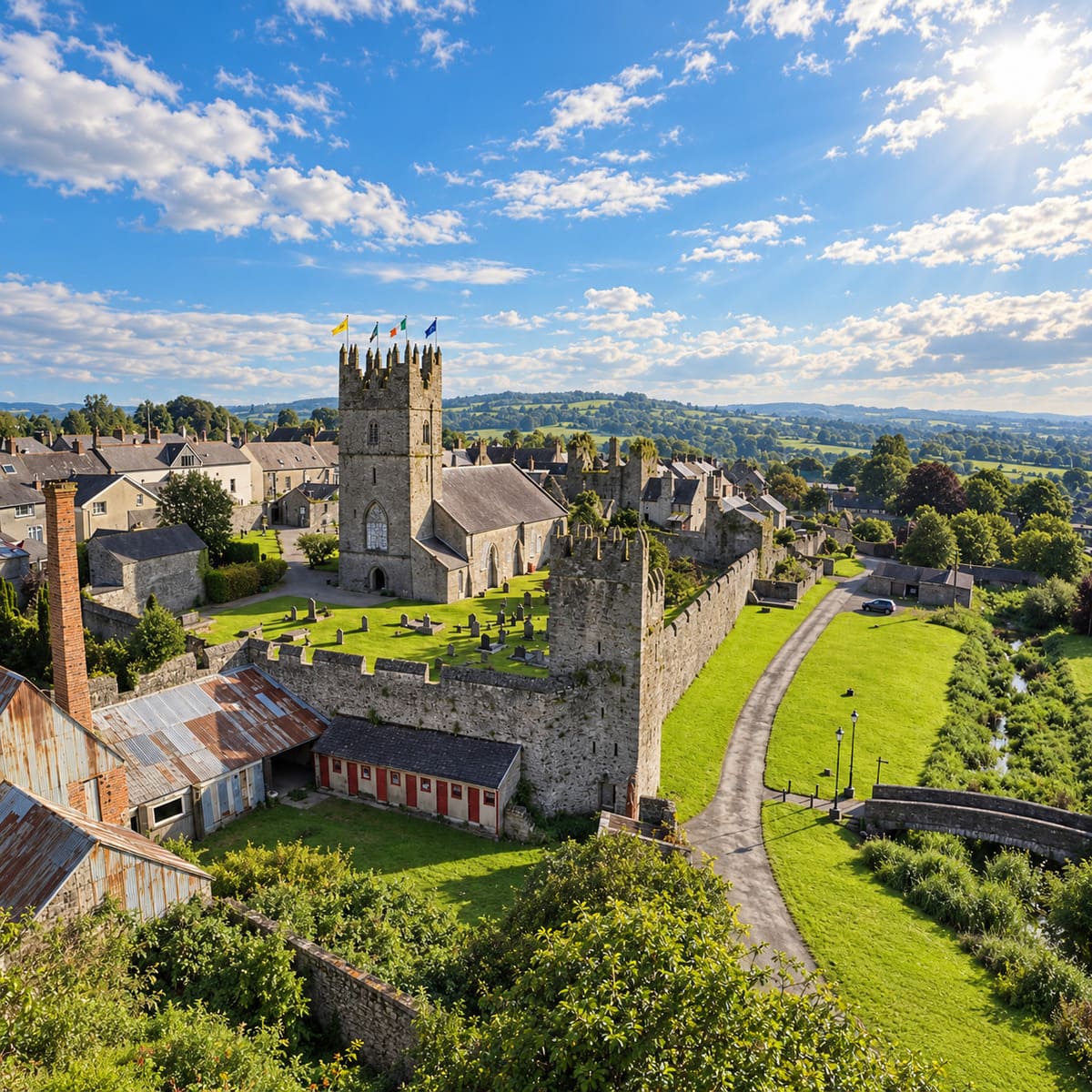
Throwing it back to my Emerald Isle-living, Guinness-gulping Irish days, Fethard, in the heart of County Tipperary, has something that’s actually quite hard to come across in this once-turbulent, heavily fought-over country:
A remarkably well-preserved circuit of medieval town walls, guarding fortified houses and churches, all woven into a walkable, lived-in historic centre. It’s one of those places that makes you wonder why places like the Giant’s Causeway have been awarded World Heritage Site status by UNESCO, but not this.
Sadly I don’t make the rules.
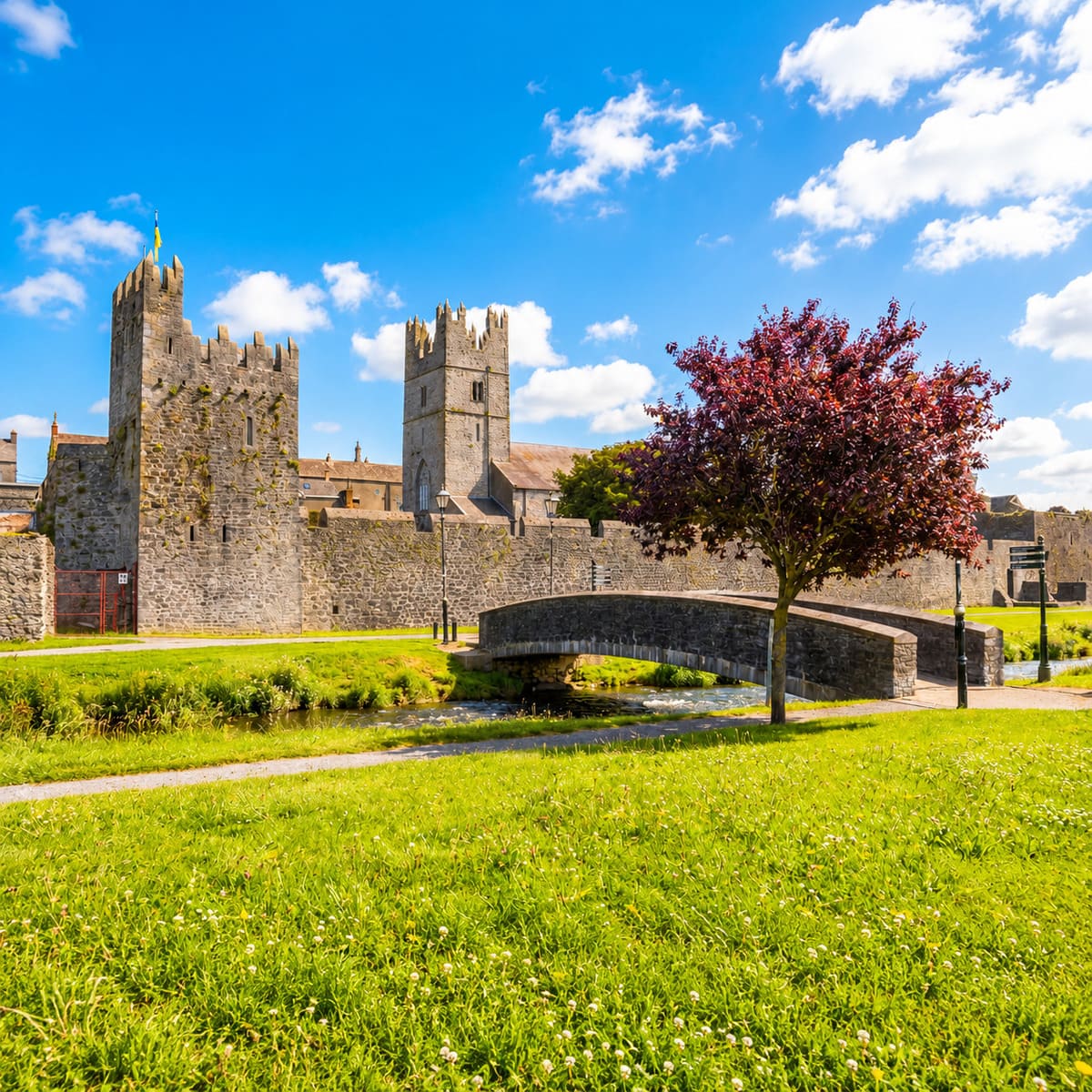
Over 90% of the original town walls have survived intact, an impressive feat for Ireland given the centuries of English conquest, rebellion, and inter-clan warfare, and the stretch running along the River Clashawley is pure fairytale stuff.
In the heart of town, Edmond’s Castle is a fortified medieval residence built hard against the town wall, inside the walls themselves. Nearby Court Castle is just as imposing.
As you can see, this is more of a complete, living remnant of medieval Europe rather than some underwhelming stretch of old wall swallowed up by a modern shopping mall. Galway, I’m looking at you.
The real quicker, though? Fethard is way more affordable than your average Irish city getaway:
Average Prices In Fethard, Ireland
- Takeaway snack, such as a homemade scone or sausage roll: $5–7
- Soup of the day with brown soda bread: $10–14
- Full Irish breakfast: $16–19
- Local main, such as beer-battered fish and chips or beef cheek with champ: $23–32
- Three-course meal in a mid-range restaurant: $45–55 per person, excluding drinks
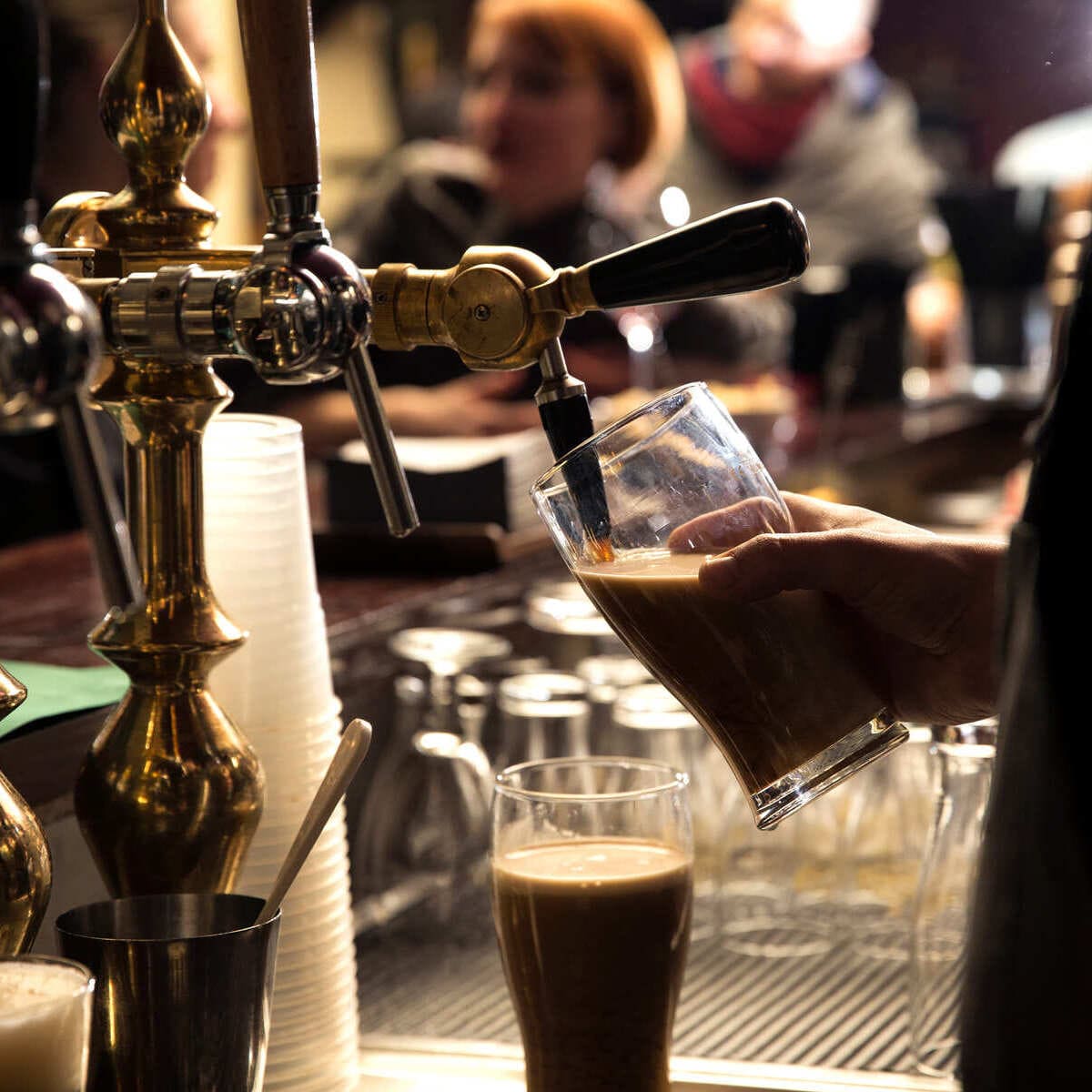
- Local draught beer or pint of Guinness: $6–8
- Simple guesthouse or B&B: $135–175 per night for two
Enter your email address to subscribe to Travel Off Path’s latest travel news, straight to your inbox
